
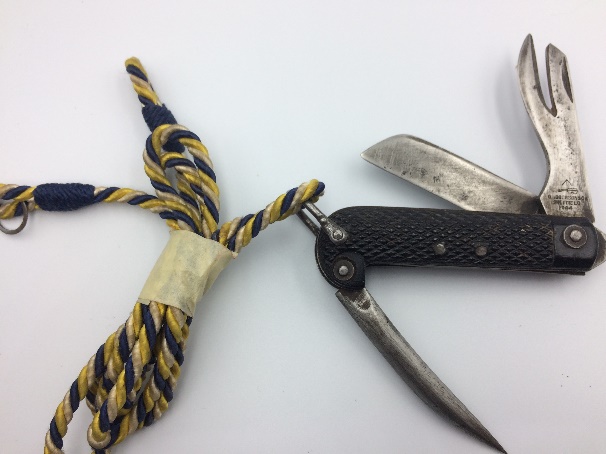
A Jackknife (Tools) is a knife with the blade pivoted to fold into a recess in the handle. The jack knife was issued to nearly all soldiers in the Second World War. It was a useful tool many kept after their return to civilian life. There are several variations on the jack knife depending on period, service and manufacturer, including examples with spikes for opening out ropes. The jack …
Category archives: Museum Artifact
Lighter, Vintage Fire Lite Tu-Tone

This artifact is a Japan-made, Fire Lite, “Tu Tone” cigarette lighter, with a black and white plastic finish. It is quite scarce, produced only a handful of times with differing color schemes – in red/black, red/white and this white/black specimen. The lighter has several detailed product markings: The top of the thumb flint striker is …
Medals, Second World War

Medal, The Africa Star: Second World War The Star was awarded for one or more day’s service in North Africa between 10 June, 1940 and 12 May, 1943, both dates inclusive. Navy and Merchant Navy – For any service at sea in the Mediterranean between 10 June, 1940 and 12 May, 1943. Army – The …
Pin, lapel, Canadian General Service 2WW
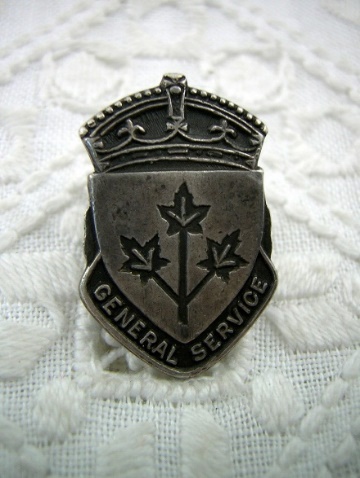
This is a Canadian General Service 2WW lapel pin. It is marked Sterling on the back, along with an IMPRISONMENT CLAUSE. The front has a crown and maple leaf on a crest shape design. There is a number on the back. This is for Honor to Serve the Country and in the War for the …
Razor, Rolls
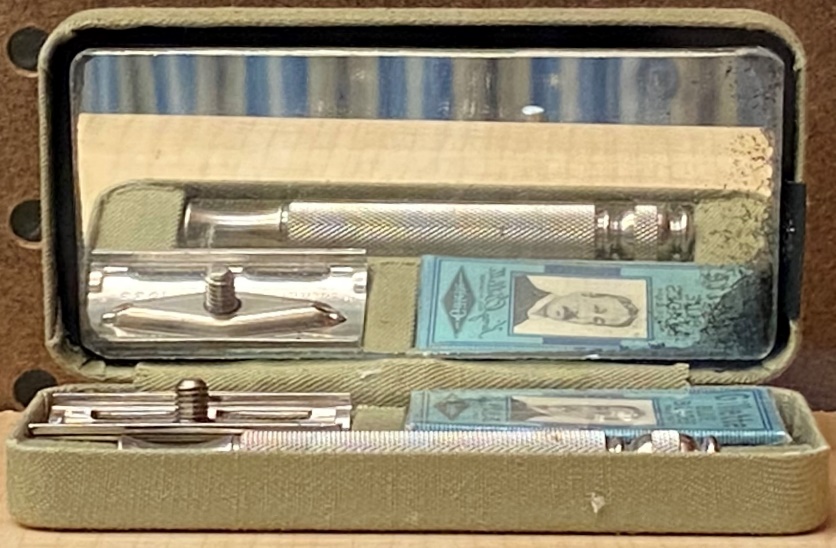
The product was a sophisticated safety-razor which promoted the slogan “The razor that is stropped and honed in its case.” Case: The case is a rigid, rectangular frame enclosed by two detachable lids; one lid carried a stone and the other a leather. The lids could not be interchanged. With a lid removed, a handle …
Set, Telephone, F Mk l
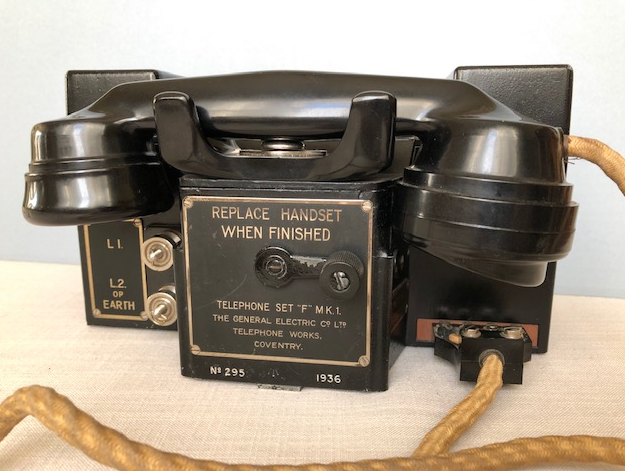
Field telephones are telephones used for military communications. They can draw power from their own battery, from a telephone exchange (via a central battery known as cb), or from an external power source. Some need no battery, being sound-powered telephones. Historical information: Fields telephone were used in 2WW. Physical description: The military field telephone, with handset, is a portable instrument for army communications generally at a …
Stick, Camouflage, Face Paint
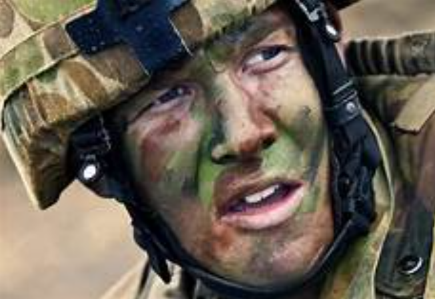
Camouflage face paint sticks are comfortably sized and can easily fit into pockets and carried. These temporary paints are highly useful for individuals looking for camouflage for various uses. They can be applied and removed easily. This paint lasts for only a few hours and causes no damage to the skin. Face paint has been …
Stove, Esbit and Fuel, Original 2WW, German

What were Esbit stoves used for? Prior to 1945 there were a few different types of these stoves offered, of which the most commonly encountered today is the Model 9. Esbit stoves were issued to German soldiers in 2WW and were also available for soldiers to buy. “Esbit” is a type of hexamine-based solid fuel invented in …
Continue reading “Stove, Esbit and Fuel, Original 2WW, German”
Whistle, ACME Siren (England)
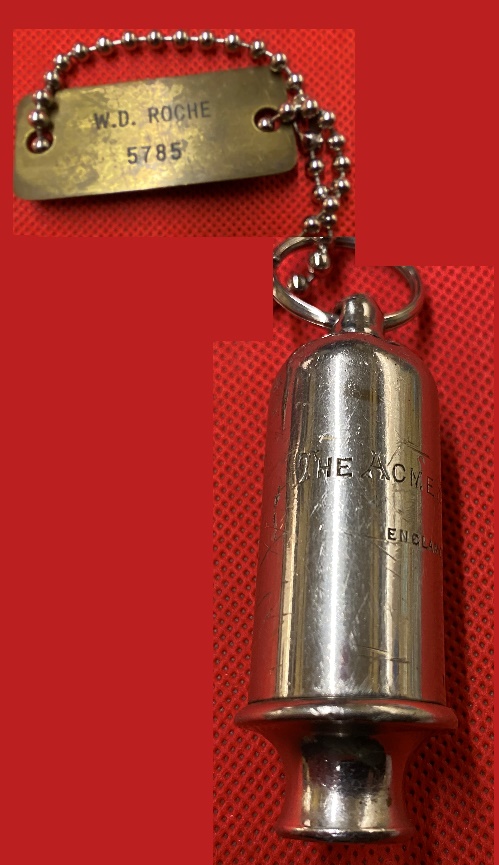
Whistles were mainly used by the army for signaling, in particular the infantry, artillery and cavalry units combined into ‘columns’ where signaling was essential. Dimensions: It is approx. 80mm long, 17mm wide and made from aged nickel plated brass. History: The British army was among the first to use whistles on the 1WW front and …
Wireless Set, Radio, No. 19
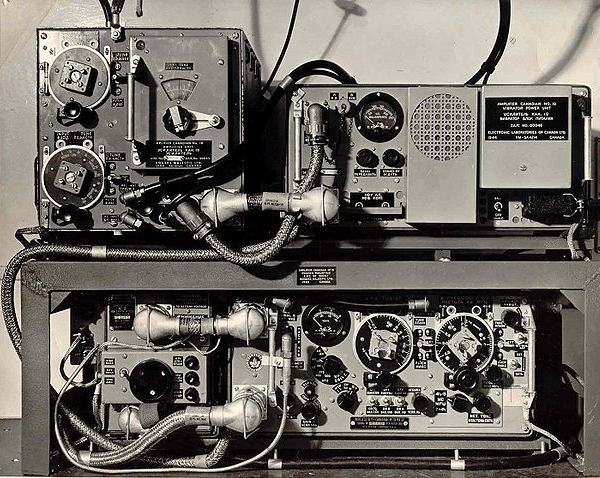
The wireless Set No. 19 was a Second World War mobile radio transceiver designed for armored troops. Canadian-built No. 19’s saw continued service for many years with a variety of users. Purpose: Designed for tanks and armored vehicles, the radio provided three communication channels: The A set provided longer range communication within the squadron or …