

This advertisement (the Times, Feb 28th,1922) asked for donations using Princess Mary (Victoria Alexandra Alice Mary; 25 April 1897 – 28 March 1965), as a reference. In the First World War, Princess Mary performed charity work in support of servicemen and their families. In 1918, when Mary reached her twenty-first birthday, she asked her father …
Author archives: The Service Battalion Senate, Inc.
Buckle, belt, Nursing Sisters

Shown is a Canadian Military Nursing Sisters belt, around the WW2 era. The belt is made of brown leather, with a brass and silver colored buckle showing a lion on a crown, acorns, and oak leaves. Leather waist belts, with their distinctive buckle clasps, were part of the uniform worn by all nursing sisters. The …
Uniform, Nursing Sister, First World War

It can be challenging to tell the difference between the various types of uniform worn by members of the military nursing services during the Great War. Each of the individual services were distinguishable by slight variations in their uniforms. The regulation uniform of the Canadian Military Nursing Service had been virtually unchanged since 1881. Their …
Tube, Airway

Intubation is a procedure used when a patient cannot breathe on their own. The doctor inserts a tube down the throat and into the windpipe to make it easier to get air into and out of the lungs. A machine called a ventilator pumps in air with extra oxygen which helps patients breathe out air full of …
Kit, Medical

Medical kits made their way onto the battlefield during the First World War. Hypodermic needles such as those shown are thin, hollow and beveled tubes attached to a syringe and used to inject medicine or extract fluids from the body. History: In the Second World War, these needles were used to administer morphine, penicillin (anti-biotic), …
Detector, Pyrotannic

This medical device enables a convenient and accurate method for the determination and detection of carbon monoxide in the blood. A carbon monoxide (CO) blood test was used to detect carbon monoxide poisoning. Poisoning can happen if one breathes air that contains too much carbon monoxide. This gas has no colour, odour, or taste, so …
Uniform, Canada’s Nursing Sisters

Nicknamed “bluebirds” because of their blue uniforms and white veils, Canada’s nursing sisters saved lives during the First World War by caring for wounded and sick soldiers as well as convalescents, prisoners of war, and even civilians on occasion. Canada’s nursing sisters played a vital role in the care of wounded soldiers during both World Wars. Called “nursing …
Convoy, No. 1 Motor Ambulance, R.C.A.M.C. Second World War
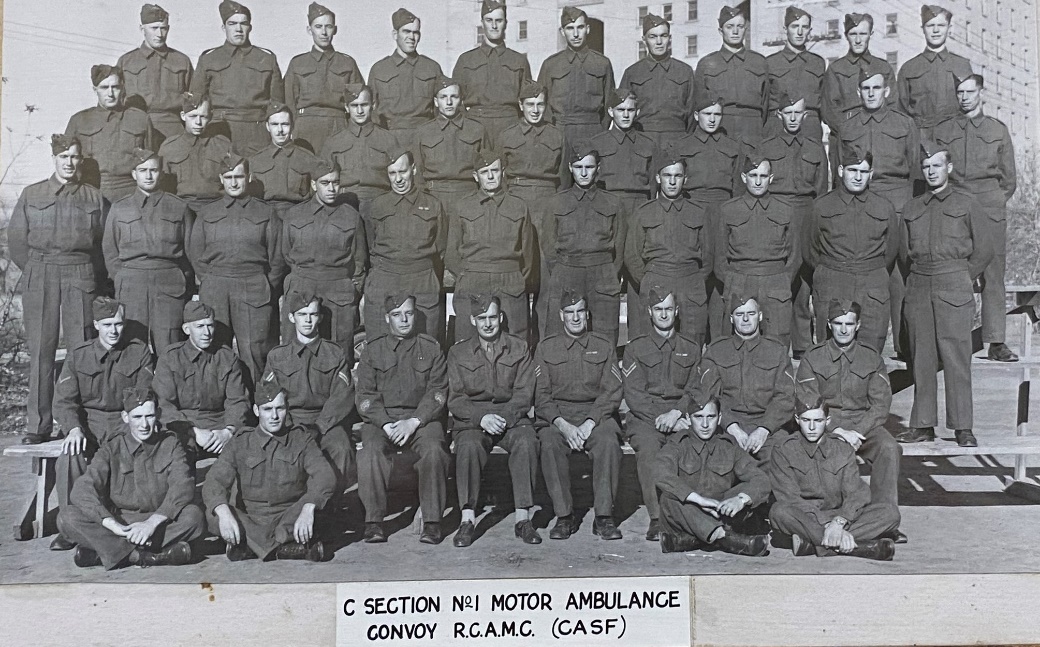
Motor Ambulance Convoy (M.A.C.) – The function of this unit was to transport wounded from main dressing stations to casualty clearing stations. It worked in close co-operation with field ambulances; to keep them clear of congestion was its first concern. Always an important branch of the medical service, the M.A.C. was indispensable in battle. Transport …
Continue reading “Convoy, No. 1 Motor Ambulance, R.C.A.M.C. Second World War”
Measures and Tools, Medication
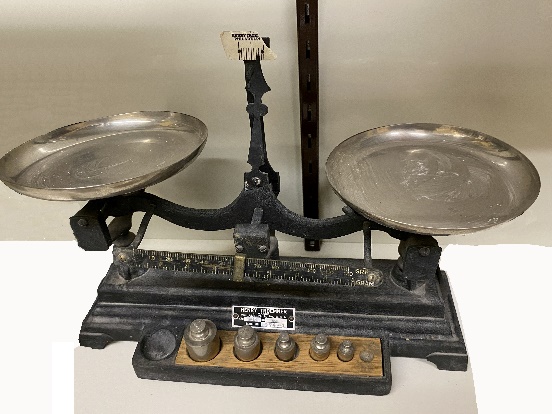
This Henry Troemner scale was used to measure (weigh) material accurately using a milligram scale. It is nearly impossible to eyeball an amount of something miniscule such as a dose of medication. Depending on the drug and condition of the patient, some prescriptions required just a partial dose. In that case, it was crucial to …
Clasp, Cape, Lion’s Head, Nursing Sister, First World War

A Nursing Sister’s cape closure with a lion’s head signifies power, strength, bravery and leadership. History: Brass Lion’s Head Badge Cloak Clasp. Shown is a Victorian Lion’s Head Cloak Clasp with adjustable chain fastening. It fastens with a hook and chain, allowing it to be adjusted for comfort. It has eyelets on the reverse for …
Continue reading “Clasp, Cape, Lion’s Head, Nursing Sister, First World War”