
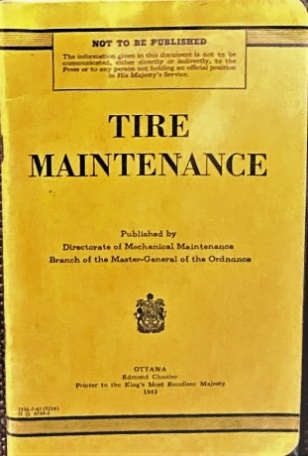
Tire Maintenance 1942. During the second world war, rationing was a large part of life on the home front. Tires were the first items to be rationed. To ensure enough rubber for military and vital civilian purposes, rationing of tires and rubber goods was started on January 5, 1942. The program ran through December 31, …
Tag archives: Supply and Transport
License, Driver

The Department of National Defence (DND) 404 driver’s license, issued on behalf of the DND, is a legal driver’s licence under the Canadian Driver’s License Agreement. The licence permits DND employees, Canadian Armed Forces (CAF) members and other approved and qualified drivers to operate specific DND vehicles. It is not necessary to have a civilian drivers’ …
Lamps, Carbide
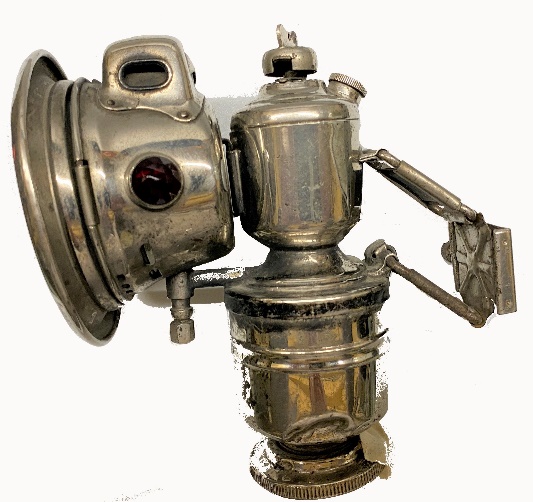
Carbide lamps became widely used by the 1920s. They were used for automobiles, lighthouses and even bicycles, but were most popular among miners because of the quality of light provided and because acetylene gas produced a fair amount of heat from a relatively small flame. Carbide lamps, or acetylene gas lamps, are simple lamps that produce and …
Gun, .50 Calibre, Browning

The Browning .50 calibre machine gun was, like the Browning .30, first used by Canadians in the Second World War as a vehicle mounted weapon, though it was not nearly as common in Canadian service as it was in American service. It was not used in a dismounted (“infantry”) role until after the Korean War, …
Extinguisher, Fire
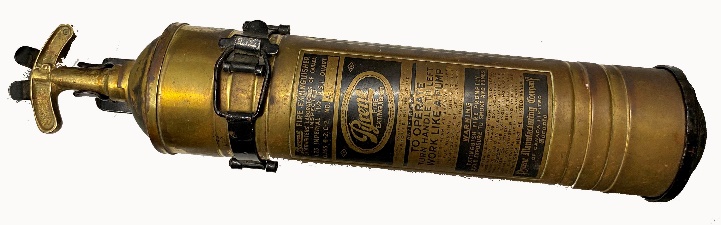
In 1910, The Pyrene Manufacturing Company of Delaware filed a patent to use carbon tetrachloride (a liquid in fire extinguishers) to extinguish fires. The liquid vaporized and extinguished flames by inhibiting the chemical chain reaction of the combustion process (it was an early 20th-century assumption that the fire suppression ability of carbon tetrachloride relied on oxygen removal). …
Casings, shell
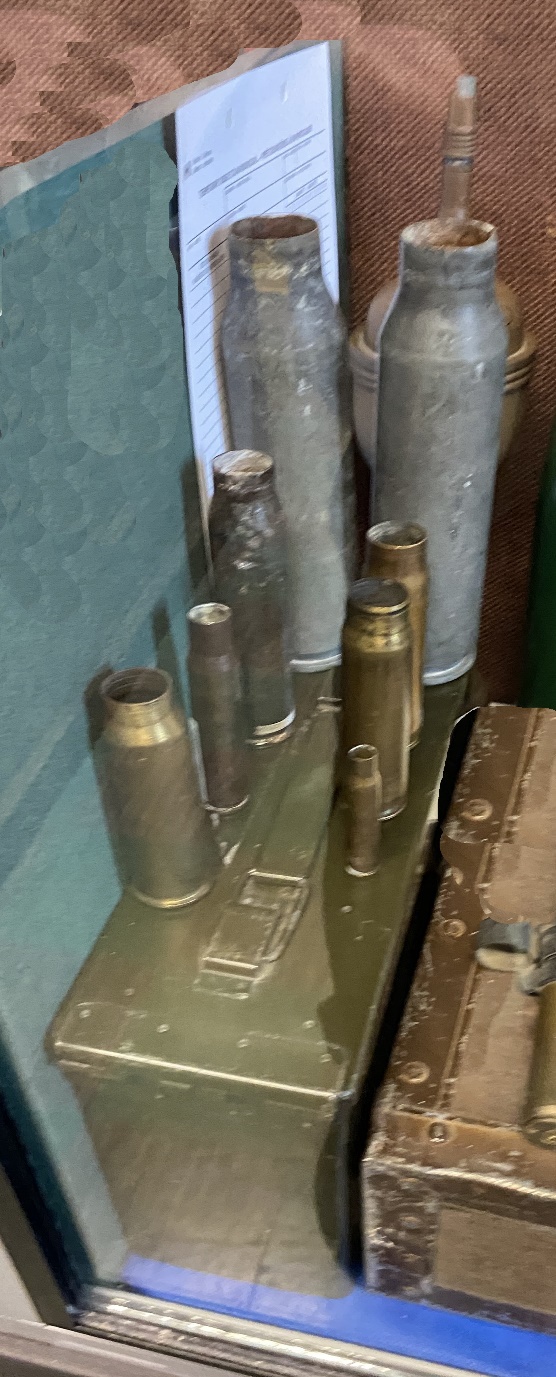
Additional casings added to the cabinet ~ 30mm autocannon anti-material or armour-piecing ~ 20mm ammo, Yugoslavia, 1959 ~ 7.62 mm ball, Yugoslavia, 1978 ~ 30.06 Springfield cartage ~ Primer assembly DM 64, Germany
Badge, Cap
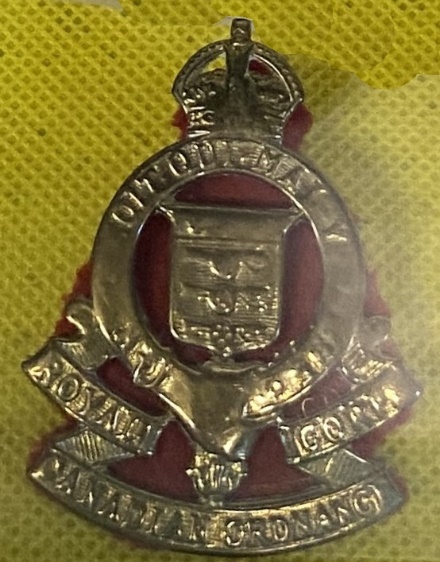
The last thing a soldier or officer does when they leave their accommodation or quarter is put on their beret and on that beret is the cap badge. It identifies the soldier as belonging to one of the Army’s regiments or corps. Canadian Armed Forces – Uniforms of the Canadian Armed Forces Headdress The Canadian Armed Forces utilize a …
Artillery, 25 Pounder

This British-designed howitzer is one of the world’s classic artillery pieces. The 1.8-ton gun was issued early in the Second World War as a replacement for the earlier 18-pounder of First World War vintage. During its service, in addition to barrage, the gun was used in an anti-tank role and as a self-propelled unit. The …
Art, Trench
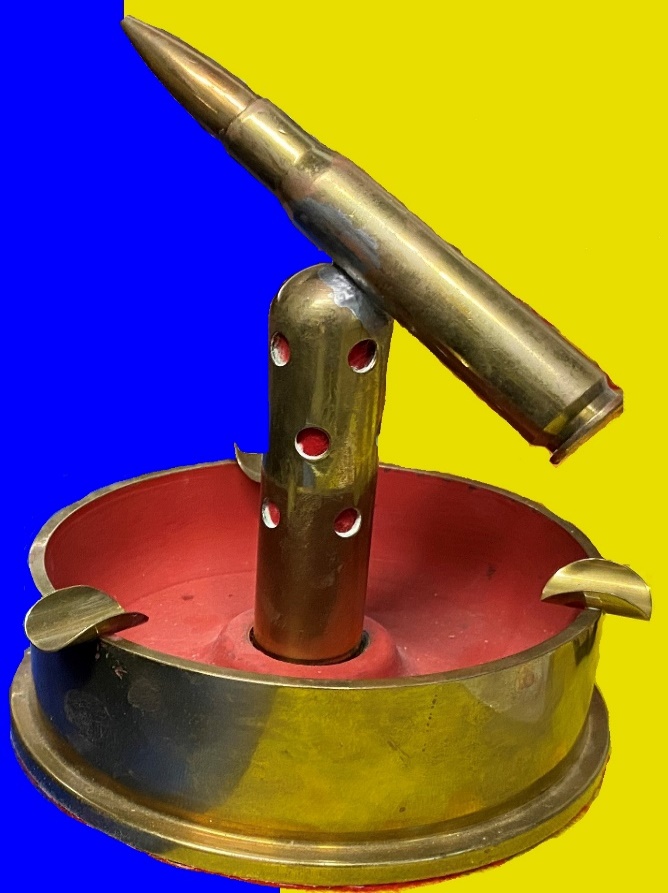
Trench art is any decorative item made by soldiers, prisoners of war, or civilians where the manufacture is directly linked to armed conflict or its consequences. It offers an insight not only to a soldier’s feelings and emotions about the war, but also the surroundings and the materials available to them. Not limited to the World Wars, …
Armlets
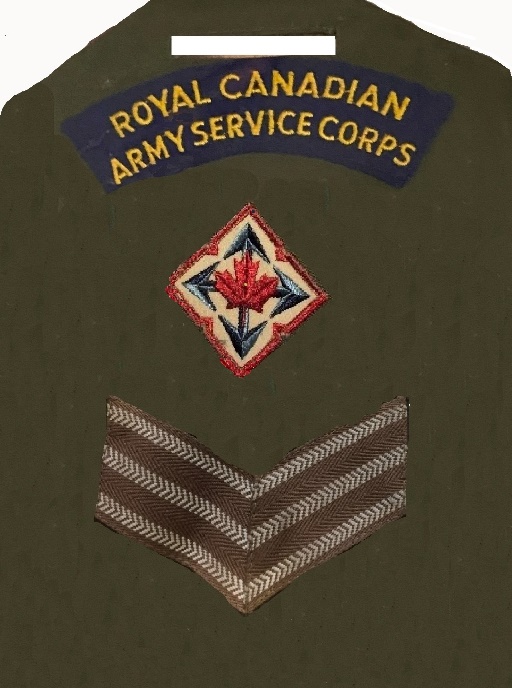
An armlet is a band or bracelet worn around the upper part of a person’s arm. This “wheel” armlet is for a combat service support transportation NCO (enlisted ranks) with loadmaster qualification. Loadmasters are responsible for properly loading, securing and escorting cargo and passengers before any flight. Transportation specialists coordinate, monitor, control, and supervise the movement …