
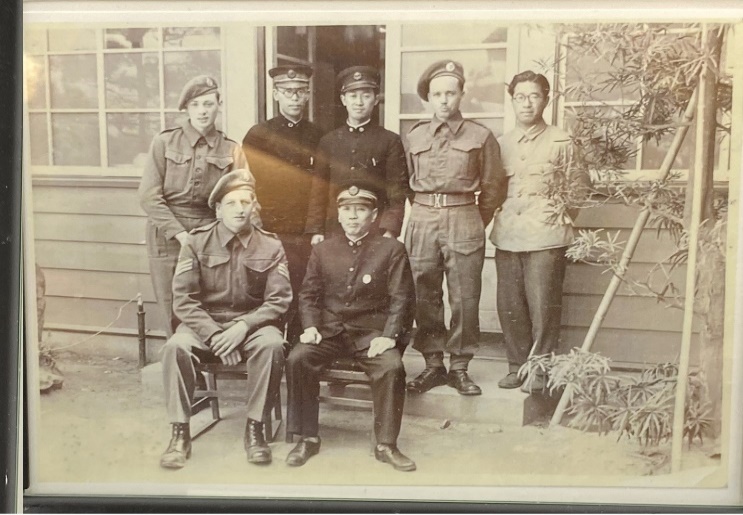
After the defeat of Japan in the Second World War, the United States led the Allies in the occupation and rehabilitation of the Japanese state. Between 1945 and 1952, the U.S. occupying forces, led by General Douglas A. MacArthur, enacted widespread military, political, economic, and social reforms. The Far Eastern Commission was established to formulate Allied policies …
Tag archives: The Far East
Rank, Japanese
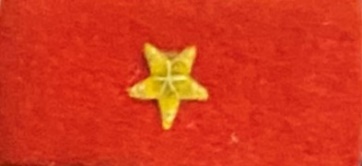
Private, Army 2nd Class. The ranks of the Imperial Japanese Army were reflected in the rank insignia of the Army. They were used from its creation in 1868 until its dissolution in 1945 following the Surrender of Japan in World War II. Shown is a 2WW Japan Army 2nd Class Private Rank Insignia Collar Patch. The Imperial Japanese Army (IJA) was the official ground-based armed …
Map, Japan Region
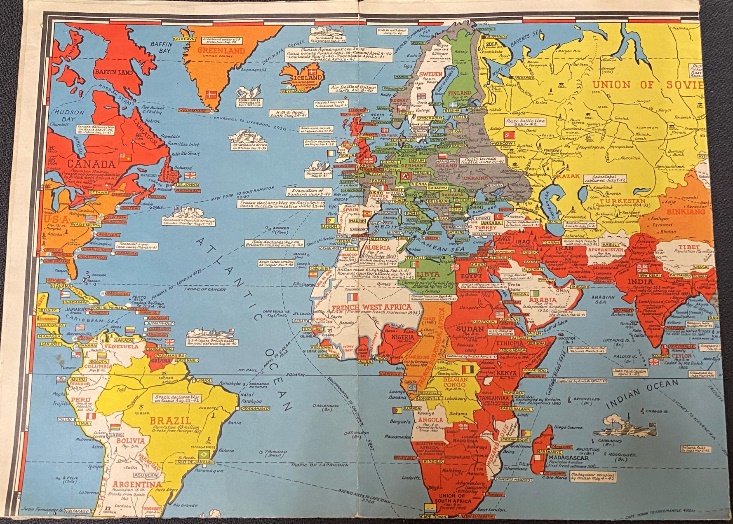
Top Map section of Asia, china, Indonesia and areas of the South Pacific in which Japan Operated during Second World War. Bottom Map of railways in Japan second world war.
Helmet, Type 92, Japanese, Second World War
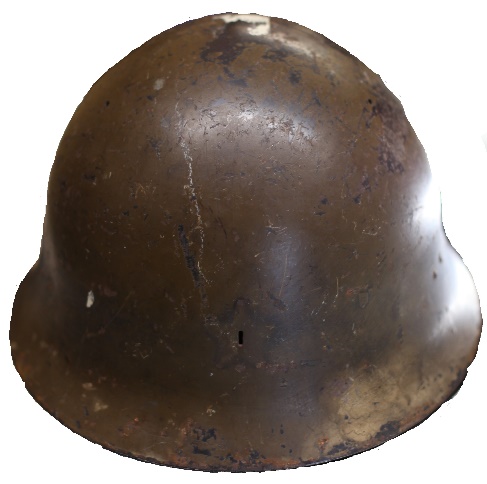
The M1932 helmet was the standard helmet of the Japanese military during World War II and its pre-war invasions of Asia. The helmet was designed and put into service in 1931-32 for the Imperial Japanese Army. The design resembled a steel pot with a helmet liner and strap. It saw all the actions of the …
Continue reading “Helmet, Type 92, Japanese, Second World War”
Document, Japanese Instrument of Surrender, 1945

The Japanese envoys signed the Instrument of Surrender on board the U.S.S. Missouri in Tokyo Bay on September 2, 1945. The document was prepared by the US War Department and approved by President Truman. It set out in eight short paragraphs the complete capitulation of Japan. The second paragraph said: “We hereby proclaim the unconditional …
Continue reading “Document, Japanese Instrument of Surrender, 1945”
Document, German, Instrument of Surrender
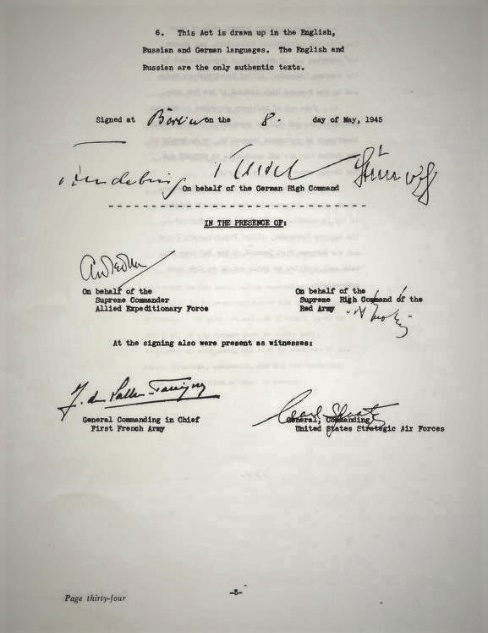
The German Instrument of Surrender was a legal document effecting the unconditional surrender of the armed forces of Nazi Germany to the Allies. It ended the Second World War in Europe. The signing took place at 22:43 Central European Time (CET) on 8 May 1945 and the Germany’s surrender took effect at 23:01 on the same day. The document was signed at the seat of the Soviet …
Continue reading “Document, German, Instrument of Surrender”
Currency, Japanese Occupation
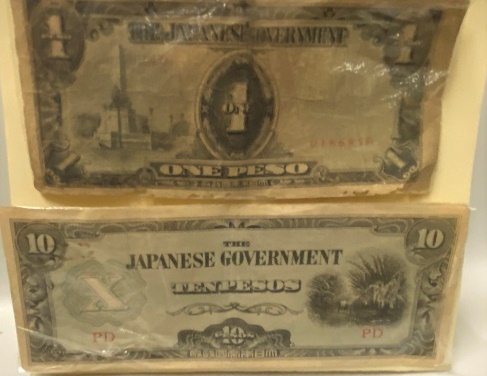
The Japanese Imperial Army invaded Burma (now Myanmar) in January 1942, conquered Mandalay 21 May 1942, and forced the British to retreat into India. In 1942 the Japanese issued paper scrip currency of 1, 5 and 10 cents and ¼, ½, 1, 5 and 10 Rupees. Japanese military currency was money issued to soldiers of the Imperial Japanese …