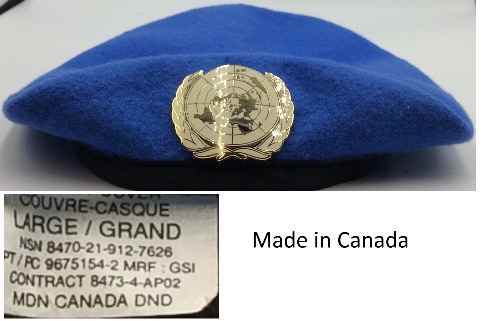
Beret/Helmet/Cap, Light Blue, United Nations

The blue UN beret/helmet, cap is worn by members of the United Nations peacekeeping force. In 1947, General Assembly resolution 167 (II) approved light blue for the United Nations flag. This distinctive color came to represent the UN. But the question arose about how could people differentiate peacekeepers from the soldiers who were actually fighting one …

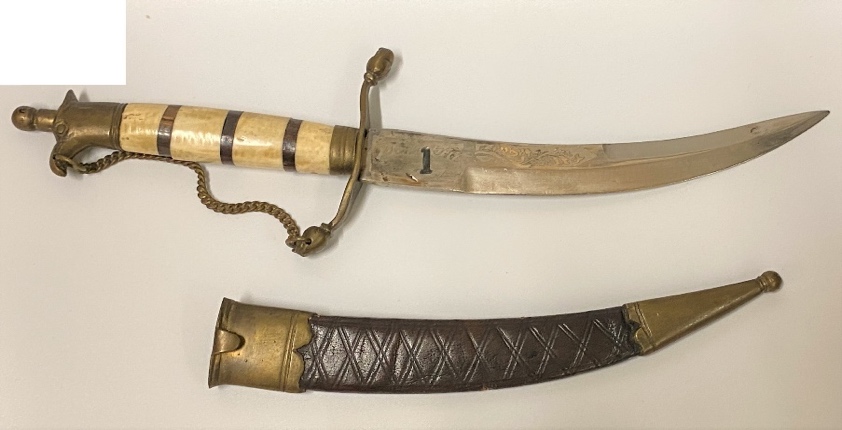
Knives, Jungle Warfare

Between December 1941 and August 1945, British Commonwealth troops and their allies fought a bitter war against the Japanese in Asia. The fighting took place in malaria-ridden jungles during drenching monsoon rains and on remote islands in searing tropical heat, but always against a tenacious and often brutal enemy. The Chindits were British empire troops who …

Flooring, USS Arizona

The United States Ship (USS) Arizona was a U.S. battleship that sank during the Japanese attack on the naval base at Pearl Harbor, Oahu island, Hawaii, on 7 December 1941. The Arizona is commemorated by a concrete memorial that spans the wreckage. On 6 December 1941, the Arizona returned to its base at Pearl Harbor. The next morning, at …

Stamps, Japanese, 1944

The story of Japan’s postal system with its postage stamps and related postal history goes back centuries. The country’s first modern postal service started in 1871, with mail professionally travelling between Kyoto and Tokyo as well as the latter city and Osaka. Japan’s growing postal system relied heavily on human-powered transport, including rickshaws, as well …

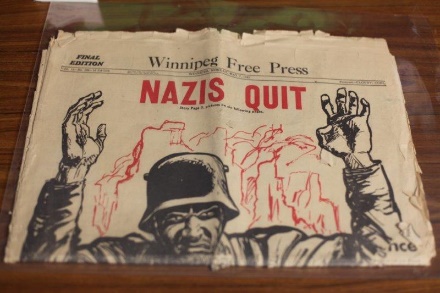
Newspaper, Winnipeg Free Press, 7 May 1945

During the 2WW, the Allied powers were led by the so-called “Big Three”—the United Kingdom, the Soviet Union, and the United States—which were the principal contributors of manpower, resources, and strategy. Each allied power played a key role in achieving victory. The Second World War was the biggest and deadliest war in history involving more …

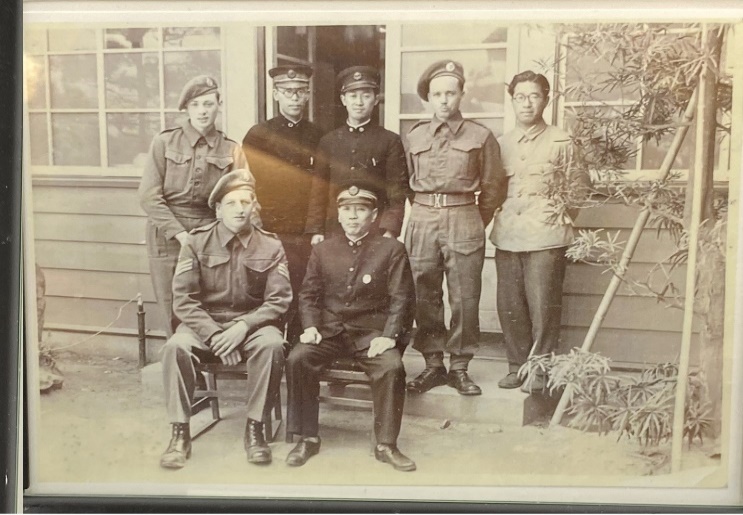
Rehabilitation, Japanese

After the defeat of Japan in the Second World War, the United States led the Allies in the occupation and rehabilitation of the Japanese state. Between 1945 and 1952, the U.S. occupying forces, led by General Douglas A. MacArthur, enacted widespread military, political, economic, and social reforms. The Far Eastern Commission was established to formulate Allied policies …

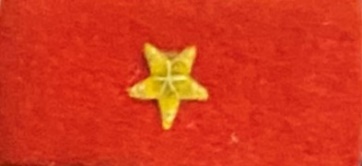
Rank, Japanese

Private, Army 2nd Class. The ranks of the Imperial Japanese Army were reflected in the rank insignia of the Army. They were used from its creation in 1868 until its dissolution in 1945 following the Surrender of Japan in World War II. Shown is a 2WW Japan Army 2nd Class Private Rank Insignia Collar Patch. The Imperial Japanese Army (IJA) was the official ground-based armed …

CSS Virtual Museum
Feedback Form

Before you leave, please take a moment to share your feedback on the CSS Virtual Museum.

0
    0
    Your Cart
    Your cart is emptyReturn to Shop